
UNSCHOOLING: THE RESEARCH-BACKED APPROACH TO RAISING EMOTIONALLY HEALTHY, SELF-MOTIVATED CHILDREN

The world our children are growing up in is not the world most of us were raised in. The pace is faster. The expectations are heavier. And the emotional pressure on our kids is higher than ever.
Yet, the education system — the place where our children spend most of their days — still operates on a model designed in the 1800s to create factory workers:
Sit still.
Follow the rules.
Memorize and repeat.
Don’t question.
Don’t feel.
And we’re seeing the effects:
Kids are overwhelmed with anxiety.
Teens who don’t trust themselves.
Children who lose curiosity before they’re even 10.
This is where unschooling offers a fresh — and research-supported — approach.

WHAT DOES UNSCHOOLING REALLY MEAN
Unschooling isn’t about “no education” — it’s about a different relationship with learning. Instead of forcing children to memorize, perform, and fit into one model, unschooling allows them to learn naturally through curiosity, exploration, real-life experiences, and meaningful relationships.
This is education supported by brain science, emotional well-being research, and the understanding that children learn best when they feel safe, interested, and engaged.
This approach doesn’t reject learning — it redefines it.
Unschooling is child-led, interest-based education. It removes a rigid curriculum and allows learning to flow from what the child is naturally drawn to.
Key Differences from Traditional Schooling:
Traditional School | Unschooling |
Knowledge is delivered from teacher to student | Knowledge is discovered through curiosity & self-direction |
Subjects separated into blocks | Learning happens holistically, interconnected |
Children are evaluated through grades | Progress is seen in growth, confidence, mastery, and real-world skills |
Compliance is prioritized | Independence, creativity, and intrinsic motivation are prioritized |
This model is rooted in the idea that children are born learners—they do not need to be forced to learn. Their curiosity already knows where it needs to go.
The Philosophy Behind Unschooling (Backed by Brain Science)
At the core of unschooling is the belief that learning is a natural human instinct — not something we must force. Children are born curious. From the moment they arrive in the world, they explore, experiment, test, observe, and ask questions.
Their brains are literally wired for:
Discovery
Creativity
Play
Connection
The goal of unschooling is not to avoid education — but to protect and nurture that natural learning drive so it doesn’t get replaced by fear, pressure, or passivity.

How the Brain Learns Best
Neuroscience shows us something powerful:
Children learn best when they feel safe, interested, and emotionally connected.
There are three major brain systems involved here:
Brain Region | Function | Learning Impact |
Hippocampus | Memory and learning center | Works optimally when the child is relaxed and engaged |
Amygdala | Emotional alarm system | When triggered by stress, it shuts down learning |
Prefrontal Cortex | Problem-solving, creativity, and executive function | Develops through play, exploration, trial, and error |
This means:
When children are forced, rushed, shamed, or pressured, learning shuts down.
When children are curious, supported, interested, and safe, learning accelerates.
This is why unschooling works — it aligns with how the brain naturally learns.
The Role of Play in Brain Development
Play is not “just fun.”It’s how the brain builds intelligence.
Studies show that play:
Develops problem-solving and reasoning skills
Builds emotional resilience
Increases creativity and adaptability
Strengthens language and communication
Play is the child’s laboratory. It’s where experimentation happens.
Traditional schooling often removes play too early. Unschooling preserves it — because it’s part of healthy brain development.

Intrinsic vs. Extrinsic Motivation
Traditional schooling teaches children to learn for:
Grades
Approval
Rewards
Avoiding punishment
This creates extrinsic motivation, which is fragile. It vanishes when the reward or pressure disappears.
Unschooling builds:
Intrinsic Motivation — the love of learning itself.
Children learn because:
They are curious
It feels rewarding
It makes sense to them
It connects to real life
This leads to:
✔ Self-driven learning
✔ Higher retention
✔ Long-term curiosity
✔ Confidence in their ability to learn anything
This is the foundation of lifelong learners.

Why Interest-Led Learning Works
When a child is deeply interested in something:
Their dopamine levels increase (enhancing focus and memory)
They enter a state of flow (deep engagement)
They learn at a dramatically faster rate
For example, A child who loves animals may learn:
Biology (how bodies work)
Geography (where species live)
Math (measuring food/weight)
Reading (research and books)
Emotional intelligence (empathy and care)
One passion becomes a gateway to multiple subjects.
Learning Through Real Life = Learning That Sticks
Children learn by:
Doing
Experimenting
Observing
Asking
Trying and trying again
This is experiential learning, which has the highest retention rate of all learning styles.
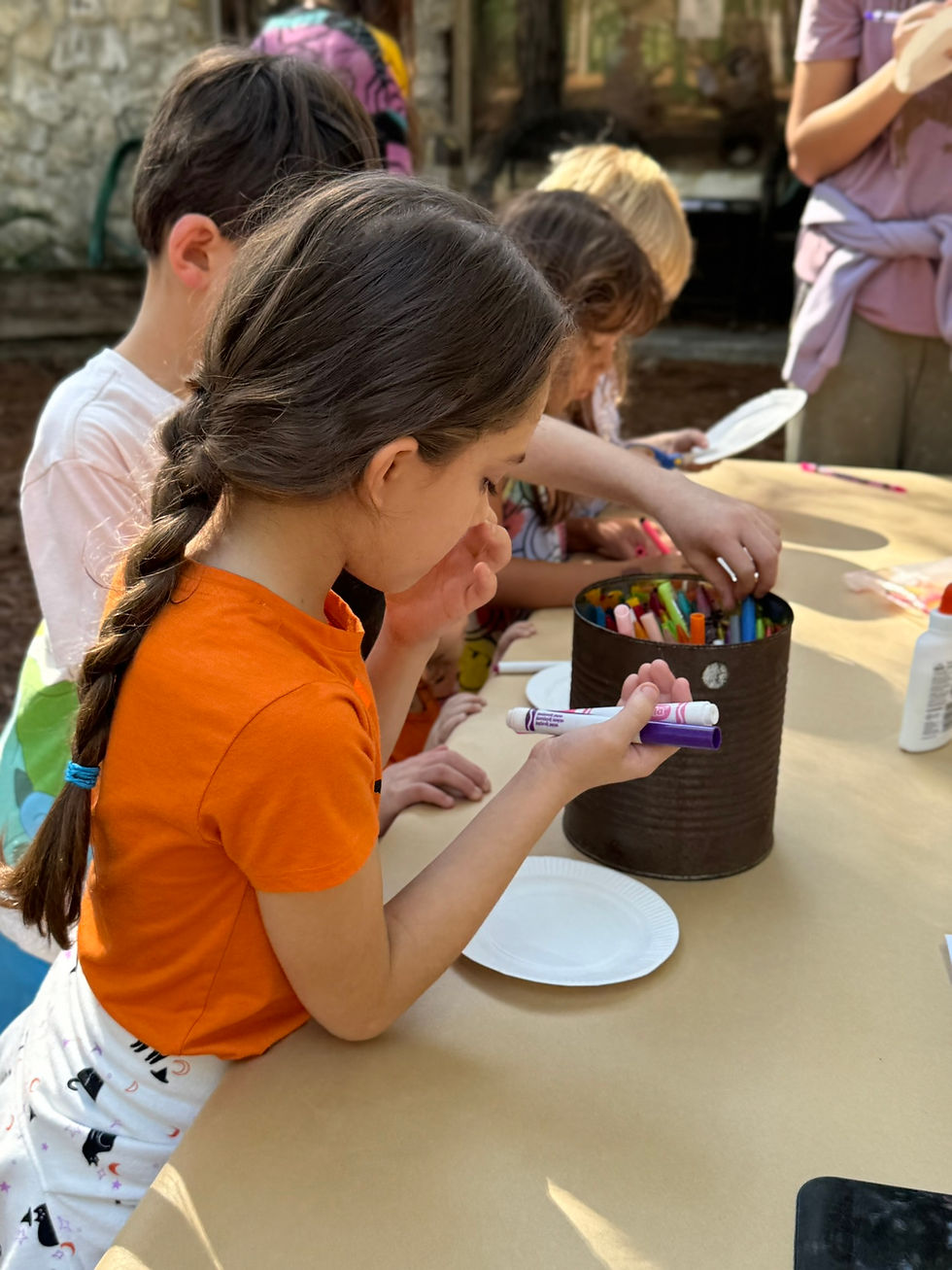
Unschooling is rooted in this truth:
Children learn by living, not by being lectured.
In Summary
The brain thrives when:
Curiosity leads
Safety surrounds
Play stays central
Learning feels meaningful
Unschooling does not fight how the brain works —it works with it.
This is not “less education.”This is education aligned with biology, psychology, and human development.

Comments